

I also consider myself a book collector — a passion that probably began around 2006, shortly after I started my martial arts journey. From the very beginning, I purchased many books by well-known masters, as well as a small number of Japanese books. At that time, I mainly focused on my own style, which was Shōtōkan — the same style practiced by many German karateka.

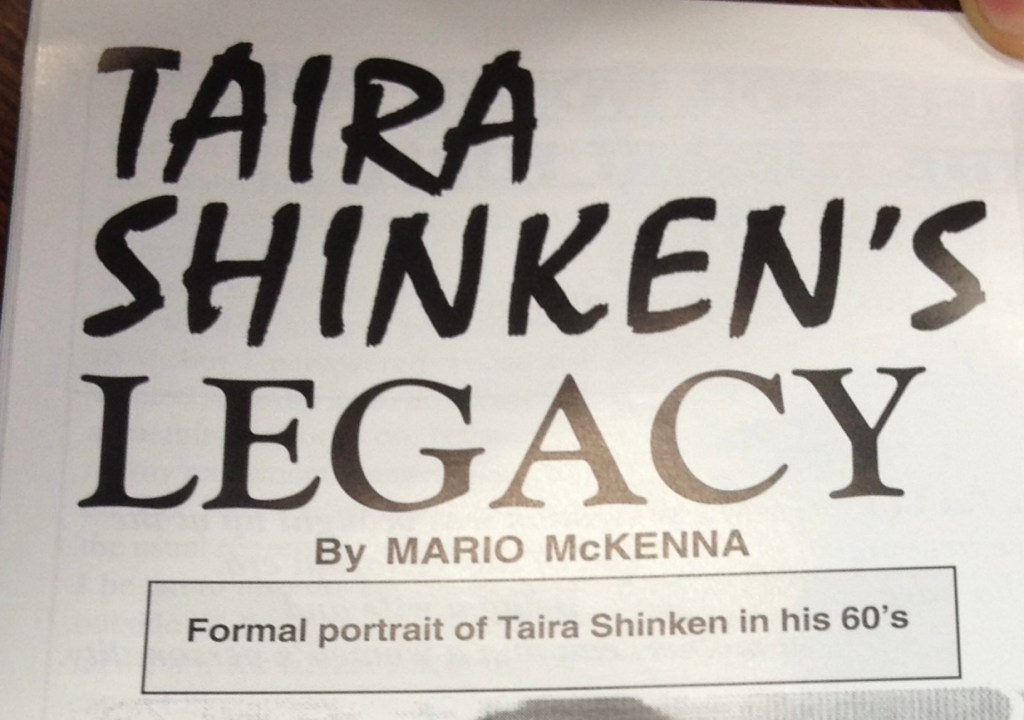
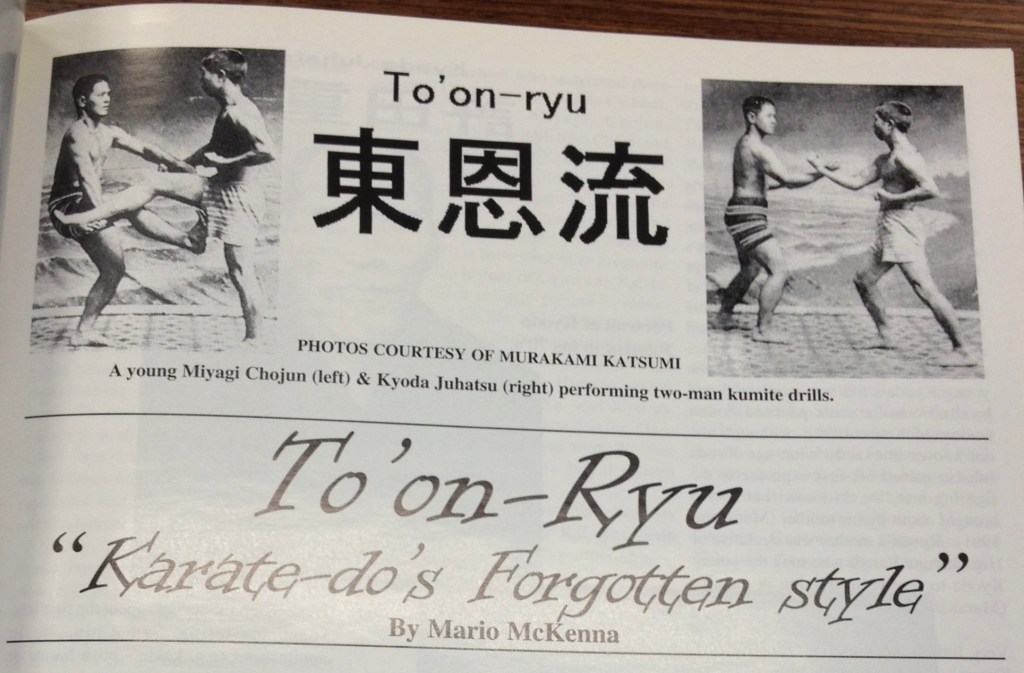
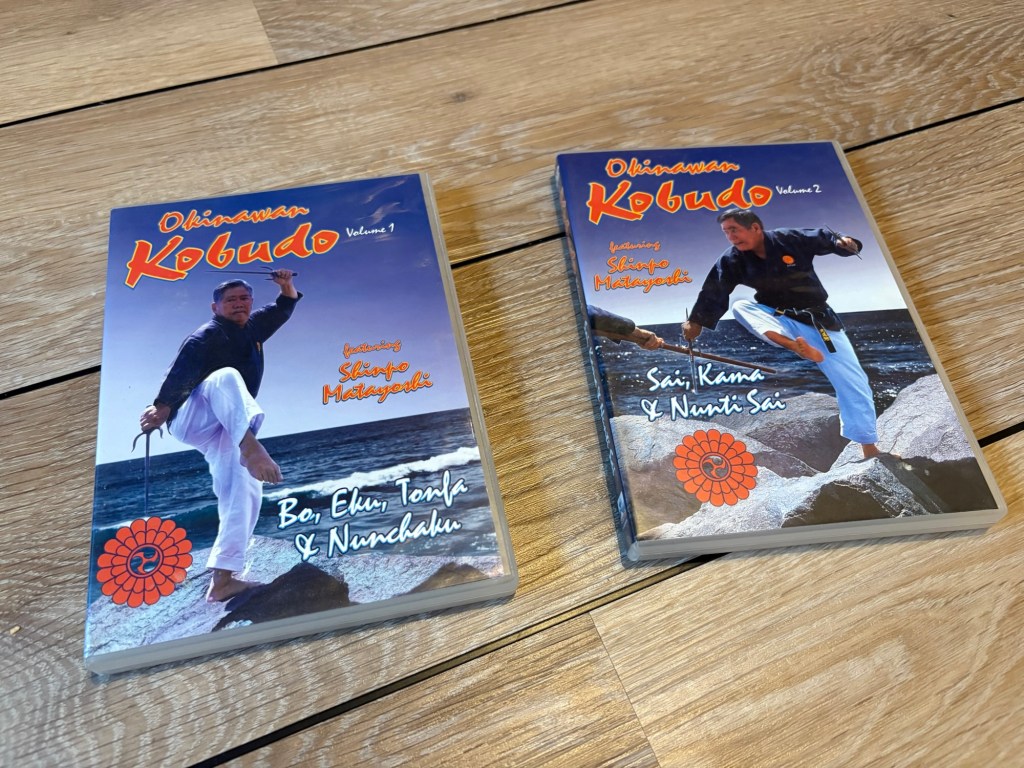
However, once I began studying Matayoshi Kobudō, I also started collecting a wide range of books on Okinawan and Ryūkyū Kobudō. I was quite fortunate during that period, as Henning Wittwer and Andreas Quast published their first book, and Mario McKenna was just about to complete his translation of Karate-dō Taikan by Nakasone Genwa. I purchased a copy from him immediately and was also able to obtain a signed copy at that time.
As I delved deeper into historical research, my focus gradually shifted more toward historical studies rather than purely technical ones. Of course, I still enjoy reading technical manuals, but training should primarily take place in the dōjō — not in front of a book or a screen. Over the years, I have therefore acquired more and more historical material, and I am still collecting today. More precisely, I am constantly searching for specific Japanese books that are still missing from my collection.
I have great respect for book collectors, and I am in frequent contact with several of them. We compare collections, exchange feedback, and sometimes I even share my opinion on what constitutes a fair price.
While I truly enjoy collecting books, I equally enjoy reading them — or, more accurately, working with them as sources. For this reason, I regularly search for very rare books, and fortunately, I am often able to locate them. From time to time, a sought-after book turns out to be sitting on the bookshelf of a fellow karateka who shares the same passion for karate literature.
Keep collecting — and let us share our experiences together.






 Karate Kenkyū Shitsu