

In karate – as in many other traditional martial arts – names play a central role. They are not just labels but carry history, philosophy, and cultural identity within them. One example is the Chinese name Yongchun 永春.
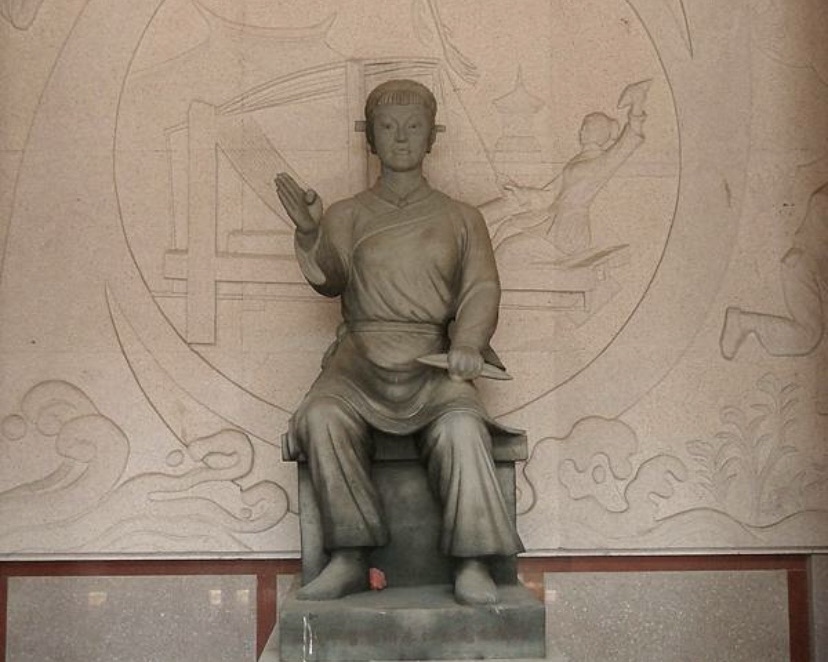
Occasionally, this name is rendered according to the Japanese reading of the characters, as Eishun えいしゅん. Linguistically, this is not incorrect, since 永春 can indeed be read that way in Japanese. However, for people who do not speak Japanese, this version is difficult to understand. It also obscures the Chinese origin of the name and makes it harder to connect it with the city of Yongchun in Fujian Province or with the style Yongchun White Crane 永春白鶴.
Why shouldn’t names be translated?
A look at geography illustrates this well:
• San Diego literally means Saint James.
• San Francisco means Saint Francis.
• Los Angeles means The Angels.
Despite these straightforward translations, the cities in the United States naturally retain their Spanish names. Nobody would think of calling San Diego “Saint James” – it would only create confusion, since the well-known city would no longer be recognizable under that name.
A parallel to martial arts
It is the same in martial arts: terms like Yongchun 永春 should remain in their original form. Rendering the name in the Japanese reading Eishun may make sense within a strictly Japanese context, but internationally it is misleading and impractical.
Cultural respect and clarity
Keeping original names is therefore not only a matter of linguistic accuracy but also of respect for their origins. Names carry identity. By preserving terms like Yongchun 永春 in their authentic form, we safeguard both their historical and cultural significance – and avoid misunderstandings caused by unnecessary translations.


 Karate Kenkyū Shitsu